
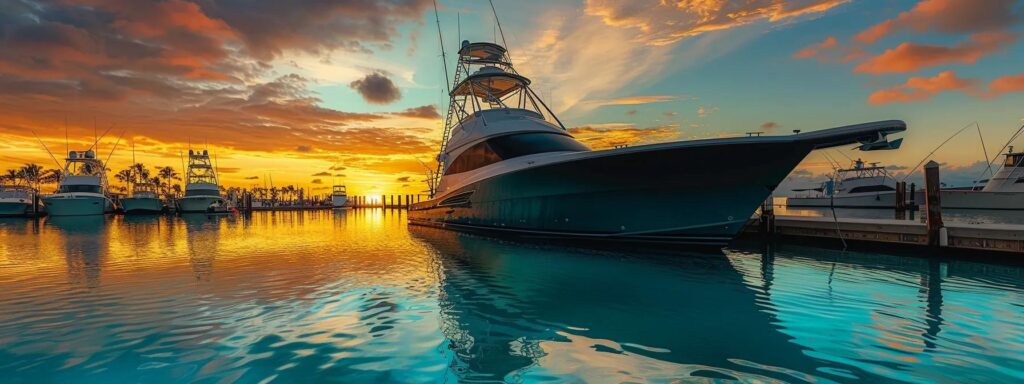
Marine vessels, especially those exposed to harsh aquatic environments, often endure severe oxidation and stubborn stains that mar their appearance and performance. Continuous exposure to saltwater, sunlight, and pollutants accelerates the degradation of coatings and surfaces, weakening both aesthetics and structural integrity over time. For boat owners in Palm City, FL, finding effective, environmentally friendly, and sustainable solutions is key to maintaining safety and value. This comprehensive guide details how to combat oxidation and remove stains while preserving your vessel’s condition.
Each section introduces a critical aspect of marine restoration—from understanding the causes and preparing your boat for treatment to executing restoration steps and maintaining the finish. By integrating advanced marine detailing techniques and practical tips, owners can preserve a high-gloss finish and protect against future corrosive challenges.
Severe oxidation occurs when a boat’s protective layers deteriorate, allowing oxygen and other reactive agents to corrode underlying materials. This not only damages the surface but may lead to structural issues. Stains form from algae buildup, salt deposits, engine leaks, or spilled lubricants and often worsen over time by compromising the boat’s reflective and protective properties.
Oxidation degrades the gelcoat and paint, creating a dull, chalky appearance. Ultraviolet light breaks down polymer chains, leading to micro-cracks and reduced gloss. These changes not only lower durability but also increase the risk of water penetration into fiberglass. Prompt treatment of oxidation is essential to maintain both the look and structural integrity of the boat.
Boat stains come in several forms: – Oily residues from engine leaks or spilled lubricants. – Rust streaks from the corrosion of metal components. – Algae or mildew growth on moist, shaded surfaces.
Each stain compromises surface integrity. For example, rust can seep into fiberglass, causing irreparable damage. Specialized cleaners are recommended to break down these contaminants while protecting the underlying materials.
Factors that speed up oxidation and staining include: – Ultraviolet (UV) radiation, which breaks down protective coatings. – High salt concentrations in seawater that promote chemical reactions. – Temperature fluctuations causing microfractures. – Pollutants and bird droppings that adhere strongly to surfaces.
Recognizing these factors helps boat owners implement measures like regular cleaning and protective waxing to extend the boat’s life.
Effective restoration begins with proper preparation. This means cleaning the affected areas and protecting surfaces not meant to be treated. Adequate preparation minimizes the risk of chemical damage and enhances results.

Essential items include: – Microfiber towels and marine-grade soap. – Acid-based cleaners specifically formulated for oxidation. – Non-abrasive scrubbers and varying grits of sandpaper. – A high-quality dual-action buffer with suitable pads.
Protective gear such as gloves, goggles, and respirators is recommended for safe handling of chemicals.
Protect nearby surfaces by covering windows, chrome fittings, and upholstery with masking tape and plastic sheeting. This prevents accidental exposure to chemicals, which can cause etching, discoloration, or physical damage. Isolation ensures focus remains solely on the affected zones, preserving overall aesthetics.
Plan restoration work during mild weather—ideally in the early morning or late afternoon. Avoid overly hot or cold conditions to prevent rapid drying or ineffective chemical action. Proper timing ensures the products perform optimally and reduce overall stress on the boat’s surfaces.
A structured process is key to safe and effective oxidation removal, protecting the boat’s finish and maximizing restoration.
After treating oxidation: – Use a dual-action buffer with a foam or wool pad. – Begin at low speed with a small amount of polishing compound; then increase speed gradually. – Overlap passes to achieve an even, glossy finish. – Finish with a clean microfibertowel to remove any haze, ensuring a long-lasting shine.
Allow at least 24 hours after buffing before applying any additional products. This pause lets the surface stabilize and moisture evaporate completely, helping subsequent sealants or waxes adhere more effectively.
Stubborn stains require targeted treatments that differ from those for oxidation. These treatments focus on breaking down the stain without harming the underlying finish.
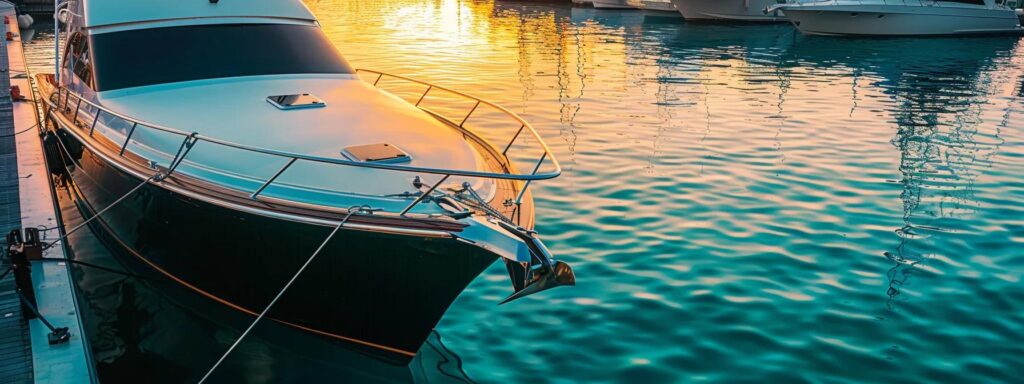
Selecting products that are specifically designed for marine applications is crucial to avoid damaging the boat’s surface.
Most stain removal kits include: – A pre-mixed cleaning solution. – Specialized applicators. – Detailed instructions. Test the kit on a small, hidden area first to check for adverse effects. Then follow the provided steps: apply the solution, allow it to dwell, gently brush the area, and rinse thoroughly. Repeat if necessary.
Eco-friendly cleaners using natural enzymes or plant-based compounds (like citrus extracts or biodegradable surfactants) offer an alternative to harsh chemicals. They break down stains effectively while reducing environmental impact, making them ideal for sensitive coastal and lake environments.
Post-restoration maintenance guards against rapid re-oxidation and preserves the fresh finish. Immediate protective measures help extend the life of your boat’s appearance.
Marine-grade waxes and sealants are essential: – Waxes: Create a temporary barrier that repels water and contaminants. – Sealants/CeramicCoatings: Form a long-lasting, transparent layer that bonds with the gel coat, resisting UV radiation, saltwater, and abrasives.
Choose products specifically engineered for marine environments to ensure proper adhesion and durability.
Regular maintenance is vital: – Reapply wax every three months, especially on frequently exposed areas. – Sealants or ceramic coatings can last between one to three years, based on conditions. Keeping a documented schedule and performing monthly inspections will help maintain the boat’s finish.
Routine practices include: – Washing the boat after every outing with marine-grade soap and water. – Conducting regular inspections of the hull, deck, and fittings. Use non-abrasive brushes, microfiber cloths, and low-pressure washing equipment to minimize damage while keeping contaminants at bay.
When DIY methods fall short, professional marine restoration services can offer specialized outcomes using advanced techniques and equipment.
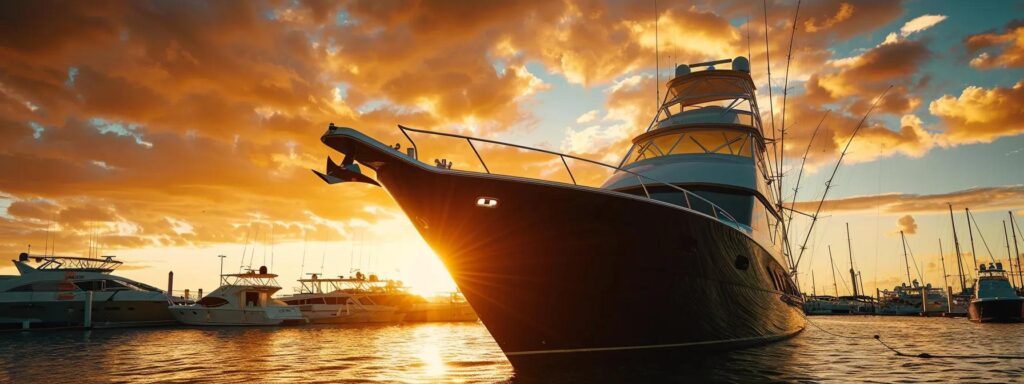
Marine detailers: – Bring years of experience and state-of-the-art equipment. – Use proprietary formulations that may not be available to owners. – Assess damage accurately and create a customized treatment plan. For example, services like Going Overboard Marine in Palm City, FL, are known for restoring even severely damaged surfaces while applying durable protective coatings.
Research and reviews are key: – Evaluate reputation, experience, and customer feedback. – Request a detailed inspection and transparent pricing. Choose a service offering comprehensive packages that include cleaning and long-term protection while providing clear, competitive quotes.
Costs vary based on: – The extent of damage and boat size. – Additional services such as ceramic coatings or full detailing. Generally, basic oxidation removal may range from a few hundred to over a thousand dollars. Transparent pricing and custom quotes from providers like Going Overboard Marine ensure that you receive quality service for your investment.
Even experienced owners can err during restoration. Avoiding common pitfalls ensures that treatments do not inadvertently worsen the boat’s condition.
Excessive buffing may erode the gel or clear coat, exposing the fiberglass to further oxidation and stains. Follow manufacturer guidelines carefully and use a gentle, gradual buffing process to preserve the protective layers.
Incorrect cleaning agents can chemically react with the boat’s surface, causing discoloration, pitting, or burns to the gelcoat. Always use products tested for marine use and consult customer reviews or professionals for trusted brand recommendations.
If oxidation penetrates deeply or stains persist after multiple treatments, it may be time for specialized methods or professional services. Persistent haze, widespread discoloration, or structural weaknesses signal that more intensive remediation is necessary.
Q: What is the primary cause of severe oxidation on boat surfaces? A: Prolonged exposure to sunlight, saltwater, and temperature fluctuations breaks down the gel coat, allowing oxygen to corrode the underlying materials.
Q: How often should I schedule professional detailing for my boat? A: Professional detailing is recommended at least once a year or every three to six months in harsh marine environments to prevent severe oxidation and stains.
Q: Can eco-friendly products effectively remove stains on a boat? A: Yes, plant-based enzymes and biodegradable surfactants effectively remove stains while protecting marine life and reducing environmental impact.
Q: Is it safe to perform oxidation and stainremoval myself, or should I always hire a professional? A: DIY methods work for minor issues, but deep-seated oxidation or persistent stains may require professional treatment to ensure long-lasting results without additional damage.
Q: What maintenance routine should I follow after restoring my boat’s surface? A: Wash the boat with marine-grade soap after every outing, apply quality wax every three months, and perform regular inspections for early signs of damage.
Q: How do environmental conditions impact the frequency of boat restoration? A: Boats in high UV, salty, or polluted environments deteriorate faster, so more frequent washing, waxing, and inspections help maintain the finish.
This guide outlines a systematic approach to tackle severe oxidation and stains effectively. By following proper preparation, chemical application, buffing, and long-term maintenance steps, boat owners can restore their vessel’s high-gloss finish and extend its lifespan. Whether addressing minor issues with DIY methods or consulting professionals for deeper problems, consistent care is key to protecting your investment and ensuring a beautifully maintained boat that withstands the harsh marine environment.